
Is It Illegal to Burn Plastic? Complete Guide
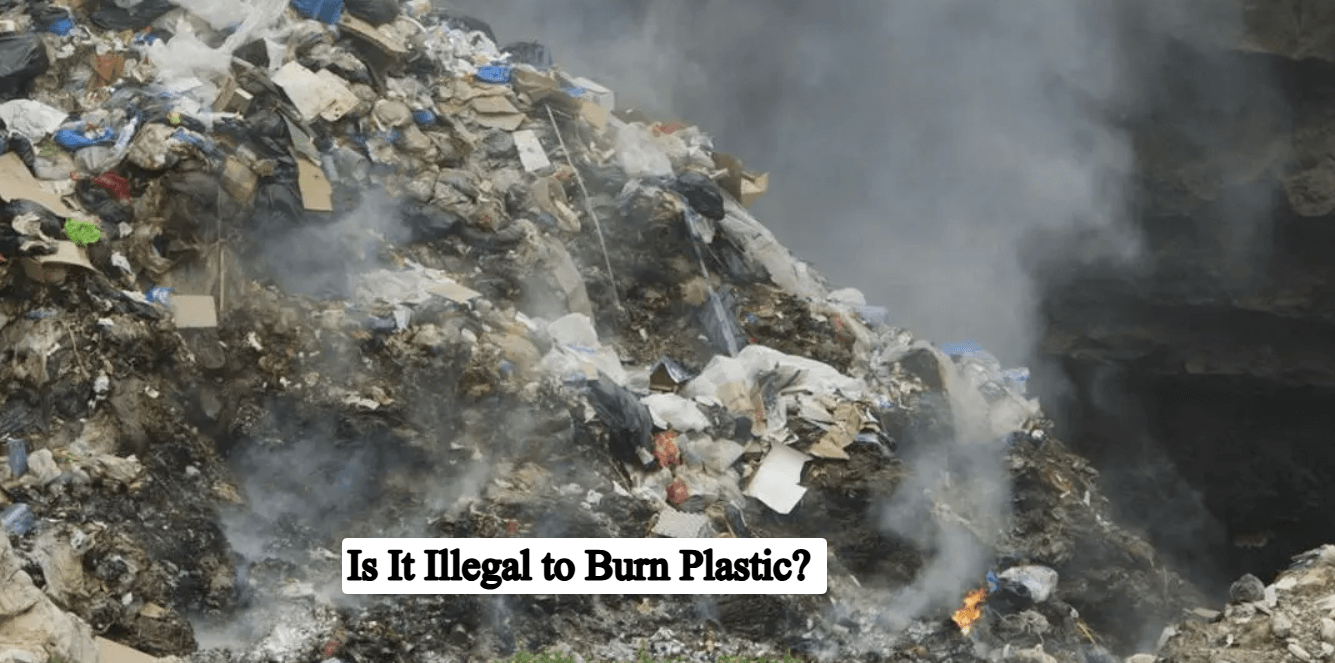
It may seem as a simple method to get rid of waste, but the legal consequences are not as simple. In many instances burning plastic is illegal by federal, state or local laws or is subject to limitations. In fact, doing this could result in criminal or civil penalties. Here we discuss the way U.S. law regulates plastic combustion, the exceptions that exist and what dangers a person is exposed to.
Federal & Regulatory Framework
In the Federal level it is at the national level, U.S. Environmental Protection Agency (EPA) and federal laws don’t have a general law that states “it is always illegal to burn plastic anywhere under all conditions.” Instead the federal law is responsible for burns that are open and the emission of pollutants. It also confers authority on states localities, municipalities, and regional officials to ban or limit the burning of different materials, including plastics.
- The federal rules on open burning (e.g. 40 CFR, SS 49.131) usually ban “all open burning” (with some exceptions for traditional or cultural fires) when the air quality has been diminished or an administrator from a region issues the issue of a ban on burning. The regulations specifically prohibit the burning “any material other than natural vegetation that normally emits dense smoke or noxious fumes when burned.”
- In accordance with EPA guidelines and regulations, substances like plastics, rubber treated wood, other wastes that contain chemicals are usually not permitted when burning in open flames. In certain regulatory frameworks the just “clean fuel” (not containing garbage or rubber, plastic, or waste) is allowed to light flames.
- For large-scale waste-to-energy or incineration installations, EPA rules (or proposed changes) require strict control of air pollution, emission standards, and permits.
In simple terms, federal regulations define the minimum standards for preventing burning plastics in open flames and grant local authorities and states the authority to enforce stricter guidelines.
State & Local Laws
The majority of legally-enforceable “teeth” come at the local or state level. There are many states that have clear prohibitions or restrictions regarding the burning of plastic in outdoor settings, or within residential burn barrels.
- Within Illinois In Illinois, any burning within or near towns is restricted only to “landscape waste,” and burning plastics or garbage is not permitted.
- The state of Wisconsin burning any kind of plastic, whether agricultural or rigid containers–is a crime.
- Tennessee Law prohibits the burning of plastics, Vinyl sidings, products made of rubber and similar substances.
- For North Carolina, the law has been in place for a long time to ban the majority of open burning, which includes of plastics. However, there were legislative proposals to make exemptions for agricultural plastics.
- A number of states (e.g. Louisiana) prohibit open burning of solid waste, as well as chemicals in whole or in part.
- Cities, local air district or counties are often required to enforce stricter regulations. For instance in California California’s Residential Waste Burning rules forbid burning “disallowed combustibles” such as plastics, in the majority of cases.
Consequences & Enforcement
If someone has a plastic fire in the violation of state, federal, or local laws They could face:
- Fines or civil penalties issued by environmental agencies or local authorities
- Crimes in serious or frequent instances, particularly in cases where the burning causes harm or violates regulations on air quality, creates a public nuisance
- Injunctions and remediation orders that demand the removal of any activity, a cessation of it or a reduction
- Responsibility for harm caused by third parties (e.g. the neighbors suffer injury or property damage or suffer respiratory harm)
Enforcement is usually handled by departments of state environmental protection or municipal air quality bodies, local fire department or by municipal code enforcement.
Why the Restrictions?
Legal restrictions are not just rooted in law, but also in public health and science:
- Burning plastic produces a mixture of toxins–dioxins and furans, heavy metals and phthalates microplastics, volatile organic compounds and many more that can damage the respiratory system, trigger an increase in cancer risk, alter the hormones and alter the quality of air.
- Open burning that is not controlled can contribute to the formation of smog, pollution from particulate matter and environmental harms.
- The latest waste management systems as well as recycling or disposal that is controlled offer more secure alternatives.
When Might Burning Be Allowed (or Less Restricted)?
There are some exceptions, or circumstances that are unique:
- Traditional, cultural or fires for ceremonies can be exempted under certain federal and state regulations when they meet the limitations on size or method.
- Certain states might permit practices used in agriculture to burn certain plastics used in agriculture subject to strict guidelines (distance from residences or volume limits.). For instance, Iowa allows burning of plastic pesticide containers or paper with a limit on distance and volume.
- Certain areas may allow the burning “clean wood” or vegetative waste but not synthetic or plastic materials.
- Incinerators that are out of sight enclosed incinerators (subject to air permits and emission control) can legally combust garbage, including plastics, in regulated conditions.
FAQs
Q1. Is it ever illegal to burn plastic or any other material within the U.S .?
No. The legality is determined by the place of residence (federal local, state, or federal) as well as the kind of the fire (open burning vs controlled) and the type of material that is that are burned, as well as the environmental conditions. However, in the majority of jurisdictions burning plastics in residential or open settings is not permitted or severely restricted.
Q2. What exactly is “open combustion”? “?
The term “open burning” generally refers to open fires that are not controlled by burning equipment, such as burning barrels for waste, burn piles bonfires and brush piles. Open burning emissions are harder to control and cause more polluting.
Q3. Can I use plastic to burn in a fireplace for residential use or stove made of wood?
In general, not. Fireplaces and wood stoves aren’t designed for burning plastic, and many areas prohibit burning plastics in residential areas. If the plastic is owned by someone else there could be damages to property or trespassing issues.
Q4. What happens if I fire the small piece of plastic (say or a small piece of plastic bottle) )?
Even a small, plastic object could be in violation of local open-burning laws or waste laws. Due to the possibility of fumes and toxic gases authorities generally consider any plastic-based combustion in unapproved settings as illegal.
Q5. What defenses could one raise?
One could assert that they were granted permission and they could argue that burning the area was an established agricultural practice or cultural occasion as well as that the authority responsible for air quality in your area lifted a ban. However, the defense depends heavily on the specific law and ordinance.
Q6. Where can I find laws in my region?
Make sure to check your state’s environmental agency and air quality agencies. local city or county ordinances on open-burning as well as solid waste management as well as municipal fire codes or regulations for enforcement.
Q7. What are the most effective disposal options?
- Programs for recycling or dropping off
- Acceptable waste collection systems for Solid waste collection systems for municipal use
- Organic waste composting
- Incineration facilities that are permitted (where legally permitted)
- The reduction of plastic usage
