
Is It Illegal to Burn Tires? Complete Guide
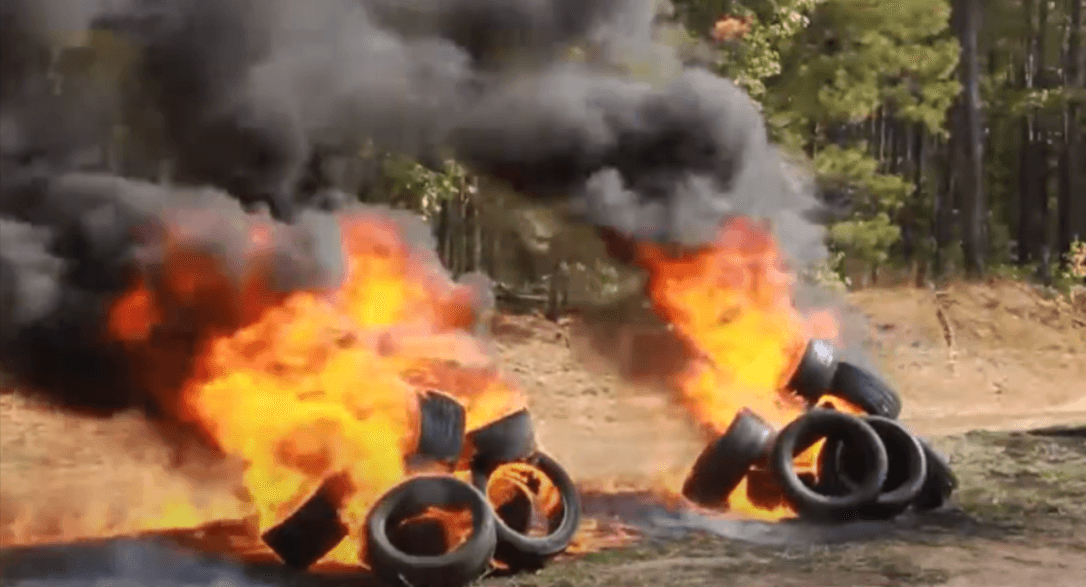
Burning tires from the past may appear to be a straightforward solution to rid yourself of unneeded rubber however for the United States, it’s generally illegal and extremely risky. The federal and state laws strictly regulate — and in many instances, ban the burning of tires openly because of severe health, safety and environmental hazards. Let’s take a look at the law about it, the reasons why it’s in place and what happens in the event that someone does not follow the law.
Federal Law: EPA Rules on Tire Burning
In the Federal level at the federal level, the U.S. Environmental Protection Agency (EPA) is responsible for air pollution control in accordance with the Clean Air Act (CAA). There isn’t any one federal law that utilizes”additional penalties” to “it is illegal to burn tires,” the regulations imposed by the EPA effectively create burning tires openly illegal in nearly every scenario.
The following is a list of the provisions under 40 CFR Section 60 and other parts from the Clean Air Act:
- It’s illegal to engage in an open-burning process that releases polluting substances into the atmosphere.
- The combustion of tires release harmful chemicals such as sulfur oxides, carbon monoxide volatile organic compounds and dangerous air pollutants such as furans and dioxins.
- Only allowed facilities like the waste-to-energy plant that is EPA-approved, and cement kilns are permitted to be able to burn tires, but only with strict emission control regulations.
Therefore, even though a business may be authorized to burn tires from scrap for “tire-derived fuel” (TDF) in an industrial process, private people or non-licensed entities are not permitted to legally use tires in open spaces or backyards on countryside properties.
State and Local Laws: Even Stricter Rules
Nearly each U.S. state has its own law against open burning and they are usually more stringent than the federal regulations.
- California Open burning of tires, or any other rubber product is strictly forbidden under state regulations on air quality. The violators can be punished with hundreds worth of dollars in fines, as well as potential criminal penalties.
- New York: Burning tires is categorized as an offense under Environmental Conservation Law SS 215 that can result in civil fines and cleanup costs.
- Texas Texas: Texas Commission on Environmental Quality (TCEQ) prohibits combustion of tire waste in the open in the range of 30 TAC and SS 111.201. Only facilities that have been approved can burn scrap tires with special permits.
- Florida Burning tires is deemed to be unlawful open burning that is that is punishable by civil penalty as well as possible misdemeanor criminal charges.
- Ohio, Illinois, and Pennsylvania The states bans tire burning in agricultural and residential areas and imposes penalties via environmental protection authorities.
Numerous local fire departments and air districts in counties have additional restrictions and can make reports straight to the environmental enforcement agencies.
Penalties for Burning Tires
Penalties can vary based on jurisdiction The consequences could be severe.
- Fines The fines range between $500 to $25,000 for each violation according to federal and state laws.
- Criminal charges Intentional burning could result in criminal or felony charges in particular when it results in property damage, injury, or the public’s safety.
- costs for cleanup The person who is responsible is liable to be responsible for the cost of cleanup of hazardous waste and monitoring of air quality.
- Civil Liability Property owners or neighbors owners who are affected by smoke or contaminant may claim damages.
Even if the flame is tiny, burning a single tire could release more than two Gallons in oily runoff as well as hundreds of cubic yards of harmful smoke which makes it an environmental crime of serious severity.
Why It’s Illegal
The laws exist for a valid reasons:
- Health Risks The smoke from tires contains carcinogenic substances as well as heavy metals and fine particles that can harm the lungs and cardiovascular systems.
- Risques for fire The fires that cause tire damage are extremely hot and are almost impossible to put out, usually taking days or even weeks of fighting.
- Environment Damage Toxic residues can contaminate air, soil, and groundwater.
Due to these risks Because of these risks, the EPA and other state agencies promote recycle and recovery of energy over burning in open flames.
FAQs: Burning Tires in the U.S.
Q1. Do I have the right to burn my tires on private property?
No. even on property owned by private individuals burning tires is nearly always prohibited according to local air quality laws. You’ll need permits for special circumstances and a facility that is approved which only private persons are not often able to obtain.
Q2. Are there any special rules for rural or farmer residents?
Generally, no. The exemptions for agriculture typically permit burning of crop or plant residues, but not synthetic materials such as plastic or rubber.
Q3. What happens if the tires are being used to heat or for energy?
Only facilities that are licensed (like cement plants and industrial boilers) can burn tires to produce tires-derived fuel within the framework of EPA and emission control regulations that are state-approved.
Q4. How do I dispose legally of tires with no legal consequences?
The majority of states require that you bring your old tires to certified recycle centers, tire retailers or counties’ recycling programs. Some tire shops charge a minimal recycling cost per tire.
Q5. What do I do if I notice someone near me has a burning tire?
Make it known immediately to you your local department of fire or the state environment protection department. The burning of tires can present immediate dangers to health and safety.
Final Word
Burning tires illegal and dangerous across the majority in the United States. It is harmful to well-being, your environment as well as your legal record. The most responsible and legal option is to eliminate old tires via authorized channels, not using the fire pit.
