
Is It Illegal to Burn Leaves in Your Backyard? Complete Guide
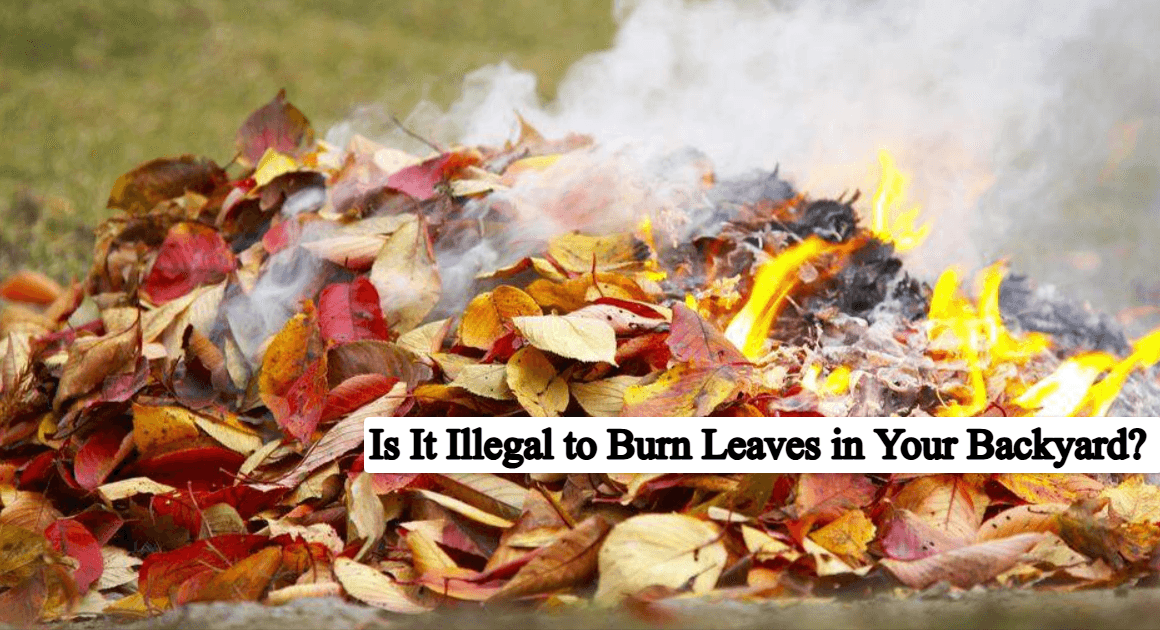
As fall approaches the majority of homeowners across America are raking up piles of fallen leaves and ask whether I should burn the leaves? While burning the leaves could feel like an old-fashioned fall ritual but it’s now restricted or even outright prohibited in the majority in the United States.
If you are able to burn leaves in a legal manner depends on the location you live in, local air quality regulations as well as limitations on the use of fire in the winter months. Let’s examine the way federal, state, and local laws regulate burning leaves in your backyard and the penalties you may face when you violate them.
Federal Law: What the EPA Says
The U.S. Environmental Protection Agency (EPA) is responsible for air quality in accordance with the Clean Air Act (CAA). Although the EPA has no uniform rule that bans the burning of leaves, their guidelines and guidelines strongly discourage the fires of waste from yards due to the air pollution that it generates.
In accordance with the 40 CFR, Section 49.131 (Open The Burning Rule) and related EPA policies:
- Open burning is prohibited in the event that it generates large quantities of smoke toxic gases or contains prohibited substances such as household waste, or wood treated.
- Organic matter (like leaves or brushes) is permitted only in accordance with specific tribal or local regulations which meet federal air quality standards.
- The EPA warns that the smoke from leaves is a source of fine particles of material (PM2.5), carbon monoxide and even tiny quantities of harmful hydrocarbons that can affect the lungs and the ecosystem.
In a nutshell: the EPA does not automatically prohibit burning leaves. However, it grants states the power to regulate or stop the practice in order to safeguard the public’s health and improve air quality.
State and Local Laws: The Real Deciding Factor
The majority of states have law on open-burning which define the time and manner in which you are allowed to burn leaves, in the event that you can. Here’s how some states deal with the issue:
- California: The California Air Resources Board prohibits the majority of leaf burning in residential areas. Burning is only permitted after approval from the local air district and a valid burn permit.
- New York: Burning of yard debris and leaves is prohibited across the state under Department of Environmental Conservation (DEC) regulations.
- Texas: The Texas Commission on Environmental Quality (TCEQ) permits the the burning of all natural vegetation (including leaves) on your property in certain conditions, but not during bans on burning or in air quality restricted areas.
- Illinois: Open burning of leaves is not permitted in many suburbs and cities. Rural areas may permit burning under certain conditions and weather restrictions.
- Florida: The Florida Forest Service permits leaf burning in conjunction with an yard waste permit with the condition that the fire is at least 150 feet away from structures and is safely contained.
The majority of towns, counties and municipalities have their individual rules. A lot of cities prohibit burning within the city’s boundaries and demand residents use city-run leaf collections as well as composting services instead.
Penalties for Illegal Leaf Burning
The violation of open burning laws can result in penal penalties, either civil or criminal in accordance with the local and state ordinances. The most common penalties can include:
- Fines vary in price from $100 to more than $1,000 per violation
- Response of the fire department costs when your fire grows out of control
- Environmental Citations issued by the state agency to report air quality violations
- Potential misdemeanor criminal charge in the event of repeated, or even willful violation
If the flames from your leaf spread onto neighboring structures or homes it could lead to civil responsibility for injuries or damages.
Why Burning Leaves Is Restricted
Leaf smoke isn’t quite as safe as it appears. The burning of leaves releases:
- Fine particle matter (PM2.5) that irritates the lungs and can trigger asthma
- Hydrocarbons and carbon monoxide that lower local air quality.
- Smog-forming substances which increase ozone levels
Furthermore, dry leaves can quickly spark fires on nearby property or vegetation which can lead to fires that can spread across the entire property. This is why many communities choose more secure alternatives like curbside pick-up composting, mulching, or composting.
FAQs: Burning Leaves in Your Backyard
Q1. Does burning leaves constitute a crime?
But not always. in most urban and suburban regions, yes. Certain rural counties allow burn permits under specific conditions. an approved burn permit.
Q2. Do I require an authorization for burning leaves?
In the majority of states the answer is there is a yes. Permits are generally issued by the local department of fire or environmental agency. They may only be valid under good weather.
Q3. What happens when I decide to burn leaves in the absence of an authorization?
You could be penalized, ordered to put out the fire, and even be charged for breaking safety measures for fires or air quality regulations.
Q4. Do you know if there are “burn ban” seasons?
Yes. Numerous states impose seasons-long fire bans in windy or dry times to avoid wildfires. The burning of a fire during a ban could result in severe fines.
Q5. What is the most legal alternative to igniting leaves?
Utilize municipal leaf collection to place the leaves in your lawn or make compost from the leaves. Many cities provide free compost bins, or collection services.
Q6. Who should I call to verify local regulations?
Make sure to consult you your local department of fire, county air quality office or the environmental protection agency of the state before you burn any thing.
Bottom Line
Although burning leaves might once were commonplace, nowadays it’s strictly controlled or prohibited across the U.S. Due to the risk of fire and the polluting the air it is recommended to always verify the local laws and think about alternatives for disposal that are safer.
If you are unsure, do not burn. Recycling and composting your leaves helps keep your neighborhood healthy, cleaner and completely in compliance with the law.
