Is It Illegal to Burn Books? Complete Guide
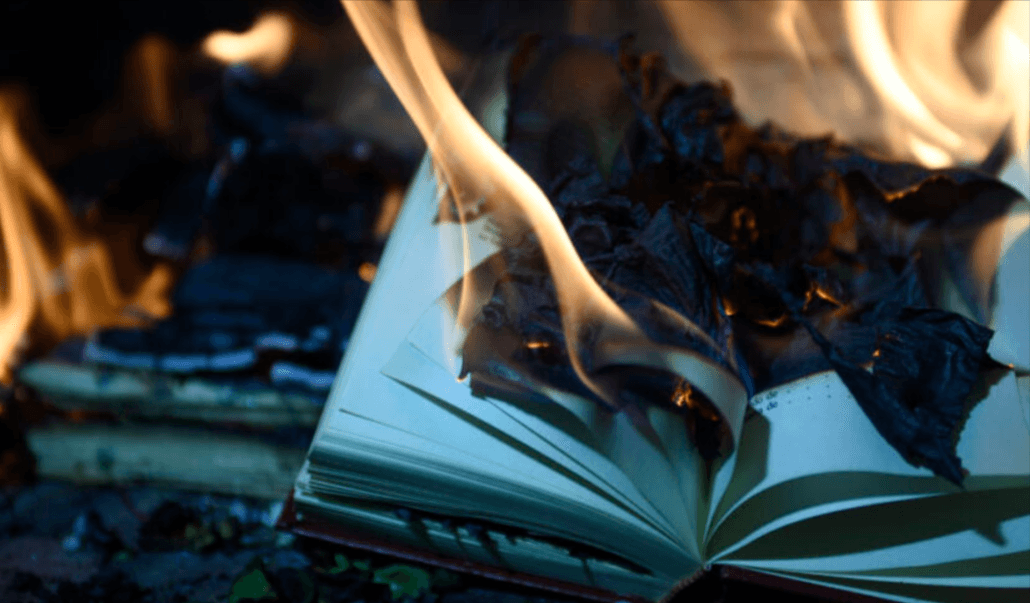
Burning books is among the most controversial activities in the modern age and is often viewed as a sign of the censorship of or protest. From a strictly legal standpoint is it legal for burning books inside the United States?
The answer is dependent on how you decide to, where, and when you decide to burn the books. Although it is true that the First Amendment generally protects expressive acts such as burning books however, a variety of environmental and fire safety laws could cause it to be illegal in certain circumstances. Let’s look at this in detail.
The First Amendment and Symbolic Expression
In the First Amendment of the U.S. Constitution, Americans enjoy a wide range of freedom of expression which includes symbolic actions that voice opinions. The courts have recognized that acts like burning flags, kneeling during national anthem or burning books are all examples of conduct that expresses emotion.
Therefore, if you choose to burn your book in a method of religious, political or artistic expression– as long as you are doing it in a safe and legally -it’s generally covered by Constitutional law. Constitution.
Examples:If someone burns their own copy of a book to protest (in an uncontrolled, safe space, and without violating local laws) it’s not a crime in and of itself. isn’t illegal in the sense that it’s disrespectful or controversial.
When Book Burning Becomes Illegal
While it’s considered protected speech this act is still subject to compliance with the fire code, local ordinances and rules governing the environment. This is where legal questions arise.
Here are the most common scenarios that could occur when burning books turns unconstitutional for the U.S.:
- Violating Local Fire or Open Burning Laws
- A lot of counties and cities prohibit burning openly without having a permit.
- The outdoor fires (especially those in areas of residential use) are controlled by the local fire marshals.
- Inflamming books in a park or on a street or complex courtyard could lead to penalties or fines for violating fire safety regulations.
- Creating a Public Hazard or Nuisance
- If the fire grows or produces smoke that threatens others, you could be charged with charges like reckless risk to others, public nuisance or reckless burning.
- In states such as California as well as Texas the illegal burning can result in fines of that can reach several thousand dollars.
- Burning Property You Don’t Own
- Burning the books of someone else (for instance, in the library, school or even a person’s library) will be illegal as it is destruction of property, or vandalism.
- In this instance the motivation (political or otherwise) is irrelevant the fact that it’s still a felony crime.
- Environmental and Pollution Laws
- The Environmental Protection Agency (EPA) restricts burning paper products that contain dyes, inks or coatings because of harmful emissions.
- If you are burning books in large quantities it could be a violation of the regulations on air quality or the hazardous waste laws.
While you are legally able to burn a book for private expression, doing it in a reckless manner, publically or using the property of someone else could easily lead to legality.
Burning Books in Public Spaces
Public spaces are highly regulated. A book that is set on fire in front of a library or school, or government structure could lead to disruptive behavior or allow for violations.
Even if you say that it’s a the result of a protest could intervene in the event of:
- The fire can pose a safety danger
- It blocks pedestrian or traffic paths
- It can cause violence or even harm other people.
In these cases it is possible to be charged but not because of “burning books,” but because of not observing the laws governing fire or public safety..
What’s Protected. The possibility of being punished
| Legal (Generally Protected) | Illegal (Punishable) |
| Your own books can be burned in a safe, controlled setting | In public areas, burning is not permitted without an authorization |
| The right to symbolise protest is protected under free speech | The burning of books by someone else or the property of a public institution |
| Private expression at your home (following security rules) | Inflicting smoke hazards or ignoring burning bans |
Safer (and Legal) Alternatives
If you’re looking for a symbolic art or protest You can:
- Use digital symbolism (like shredding or deleting digital copies).
- Make an staged or performance-related to protest with no fire.
- Get rid of books that are not needed by the recycling process or donate them instead.
These options convey what you want to say without environmental or legal dangers.
FAQs: Is It Illegal to Burn Books?
Q. Do I have the right to legally dispose of my books in my home?
Yes, as in compliance with local fire safety regulations and environmental guidelines. You should ensure that you are not subject to the ban of burning and utilize a container that is controlled, such as an open fire pit.
Q. Can I burn the library or school books to demonstrate?
No. These books are property of the public. Burning them is considered destruction of property owned by the government which is a criminal offence.
Q. Is burning books considered a to be a form of hate speech?
It’s all about its context. Although the act may be considered protected speech burning sacred text (like such as the Bible and Quran) could trigger strong reactions. If it causes violence could be restricted by lawful regulations for public safety.
Q. Do federal laws prohibit burning books?
The federal law does not specifically prohibit burning books. But, EPA, fire safety as well as law against vandalism may still be in force based on the circumstances.
Q. What is the penalty for committing illegal burning?
It is different for each state, but penalties could vary between the amount of fines ($100-$5,000) to misdemeanor charges for violations of the laws on pollution or fire.
Bottom Line
Burning books isn’t always legal in U.S. — the Constitution safeguards expressions like this. But, where, how and when burning them is what determines the lawfulness of burning them. Be sure to follow the local regulations on fire, burn bans and safety regulationsBe aware that the distinction between a symbolic protest and a criminal conduct can be a blur when it comes to fire.
