
Is It Illegal to Burn a Couch? Complete Guide
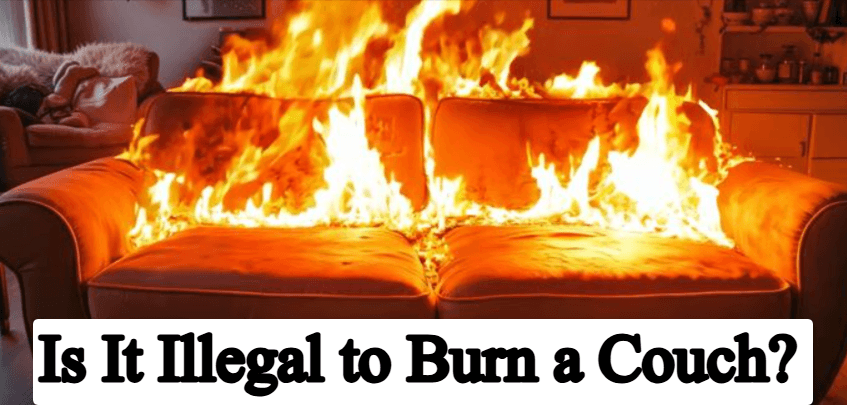
The idea of burning a couch may appear like a simple method of getting rid of furniture you don’t want however within the United States, doing so could put you in legal troubles. Although there isn’t a particular federal law that states “you can’t burn a couch,” the practice is almost always in violation of local fire safety, environmental, and health regulations. It could result in penalties, fines or both.
Here’s a full legal explanation:
Federal Law: Environmental Restrictions
In the Clean Air Act It is illegal to ignite materials that release harmful air pollutants. A typical couch consists of:
- Foams and padding constructed from polyurethane, as well as other artificial materials
- Fabrics as well as coats that are treated using flame retardants and
- Plastic or metal components within the frame.
If they’re burned, these materials release harmful chemicals that are toxic, such as dioxins, carbon monoxide as well as volatile organic compounds (VOCs).
It is important to note that the Environmental Protection Agency (EPA) strictly prohibits open burning of household waste that includes furniture. Even if you decide to burn the couch on your personal property, the resultant emission levels could violate the standards of federal air quality and are particularly harmful in the event that the smoke is black or toxic fumes result.
While there’s not a law that specifically refers to couches but burning them is a common burning of one is often in violation of Federal environmental law.
State and Local Fire Regulations
Many municipalities and states are governed by regulations on fire and open burning regulations which make it illegal to burn large household objects such as furniture.
For instance:
- California Open burning of trash or furniture is not permitted under Cal. Code Regs. Title 17, and anyone who violates could be punished with fines or warnings.
- New York: State law prohibits the fire-burning of “household waste,” which includes furniture that is upholstered.
- Texas: The Texas Commission on Environmental Quality (TCEQ) allows only limited outdoor burning, however it strictly prohibits burning synthetic materials, such as couches.
- Ohio: Open burning of household products is a violation of Ohio EPA guidelines and can result in fines of that can reach $1,000 per offense.
The majority of local fire departments require an permits to light an open flame — they also restrict burning furniture, couches and tires as well as plastics. Infractions to these rules can result in fire warnings, environmental cleanup costs and even criminal charges in the event that the fire spreads.
Fire Safety and Criminal Liability
Beyond the rules of nature, igniting a couch could cause dangerous fire hazards. Furniture that is upholstered burns extremely fast and hot typically releasing large black smoke which can be able to spread to other properties.
If the fire causes damage to the property of someone else, hurts an individual or extends into public property You could be charged with:
- Arson or reckless burning charges,
- Civil responsibility for property damaged,
- Restitution and fines by local police departments.
Even even if you are able to safely burn it on your property but your smoke and smell can result in complaint of nuisance from your neighbors and law enforcement officials in your area could be able to cite you for causing an public nuisance or for an air pollutant violation.
Legal and Safe Alternatives to Burning a Couch
In lieu of igniting your furniture, take a look at these legal methods for disposing of your furniture:
- Large-scale trash collection The majority of cities provide scheduled collections of large items.
- Donations centers When the sofa is good shape you can donate it to Goodwill, Salvation Army or an area shelter.
- Recycling facilities: Many facilities dismantle couches to make way for fabric and metal recycling.
- Landfill drop-off You are legally able to dispose of furniture in the municipal dump and transfer station.
These alternatives are more secure and significantly less than penalties for burning illegally.
FAQs About Burning a Couch
Q. Is it legal to burn an outdoor couch?
In almost every U.S. cities and states it’s prohibited burning a sofa outdoors because of fire safety and air pollution regulations.
Q. What if I reside in a rural region?
Even in rural areas generally, you will require an burning permit and household objects such as couches are typically not permitted. Always verify the nearest fire marshal’s bureau first.
Q. Can I burn a sofa during a bonfire celebration or bonfire?
No. Bonfires that are private or public can’t contain synthetic or furniture. Only untreated, clean wood is allowed.
Q. What are the consequences for burning couches?
The penalties vary state-to-state but could include fines ranging from $100 to $10,000 and the cost of environmental remediation, as well as possible prosecution for criminal offenses when the fire causes damages.
Q. What is the most legal method to dispose of a couch that’s been unused for a while?
Make use of city bulk pickups recycling programs, recycling programs or donation services. Many cities provide free removal of furniture a handful of times a year.
Conclusion
The U.S., burning a couch is usually prohibited, not due to the nature of the furniture in itself, but due to the safety and environmental risks associated with it. Combining synthetic material with dangers to fire makes it risky and illegal under the majority of federal, state as well as local law.
If you’re in the market to dispose of your old sofa be sure to use recycling that is legal or donation alternatives. The process of burning might appear simple but the legal implications are far more costly than calling for pickup.
