
Is It Illegal to Burn Coal? Complete Guide
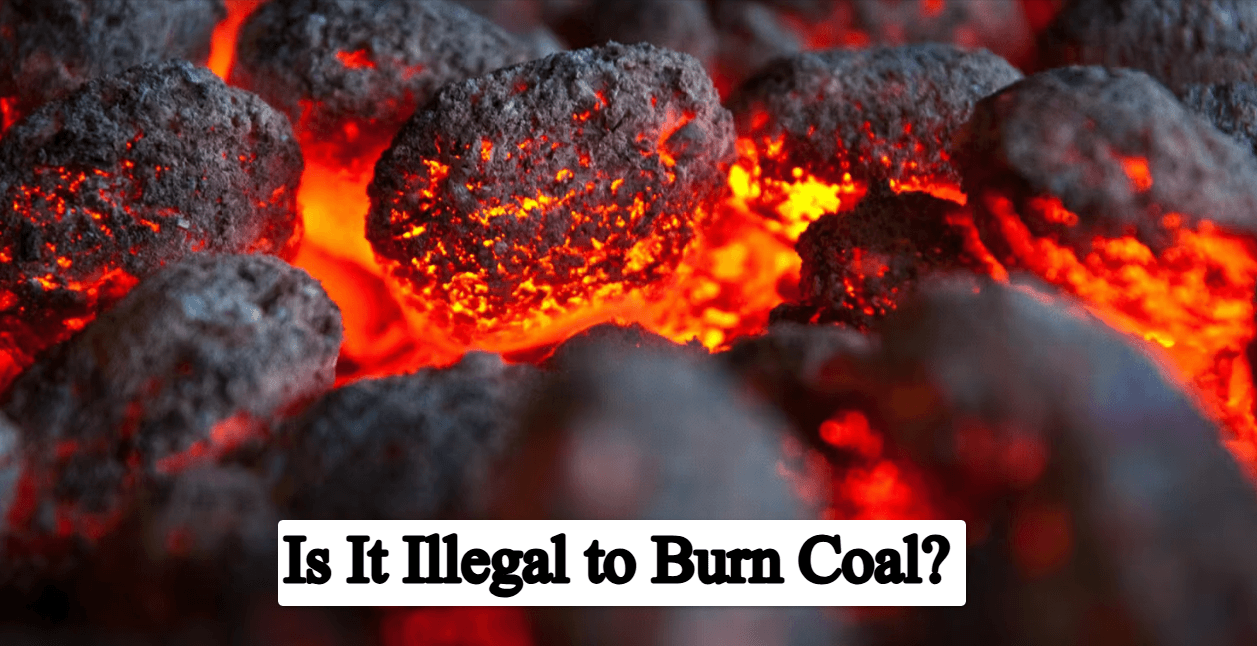
Coal burning has a long and rich history throughout America — at one time the mainstay of heating homes and power generation. However, as health and environmental concerns have increased the use of coal is now subject to a strict restrictions from the law. While it’s not totally legal burning coal within the United States, federal as well as state and local laws strictly govern when, where and how coal can be burned.
Here’s a complete description:
Federal Law: The Clean Air Act and EPA Regulations
The Clean Air Act (CAA) which is implemented by the Environmental Protection Agency (EPA) is the primary federal law governing coal combustion within the U.S.
According to the CAA burning coal isn’t outright unlawful, but the toxins produced by it — which include sulfur dioxide (SO2) as well as the nitrogen oxides (NOx) carbon monoxide and particulate matter as well as mercury — is tightly managed.
Industrial and Commercial Use
- Factory, power plants and industrial facilities that burn coal need to employ emission control methods that are approved by the EPA (like scrubbers and filters).
- They also need to obtain permits for air and be in compliance with National Ambient Air Quality Standards (NAAQS).
- Violation of these standards could lead to civil penalties of as high as $50,000 per day, and criminal penalties for deliberate violations.
Residential Use
In the federal scale there is generally legal for individuals to light small quantities of coal (such as in a fireplace or stove). However the EPA disapproves of it, and a lot of states prohibit or restrict home coal burning due to air quality and health issues.
State and Local Laws on Coal Burning
While federal law is focused on standards for pollution, state and local government officials decide if individuals or companies are allowed to burn coal in any way.
States that have Strict Coal Restrictions
- California: Bans all forms of coal burning in commercial and residential environments. California’s California Air Resources Board (CARB) enforces strict standards for air quality that effectively ban burning fossil fuels such as coal.
- New York: The city prohibits the use of coal-burning heating in the majority of commercial and residential structures under the Clean Heat program.
- Massachusetts And Connecticut: Have phased out the use of coal for power and heating in light of the public health and environmental dangers.
States That Still Allow Limited Coal Use
- Pennsylvania, West Virginia and Wyoming permit the burning of coal in specific industrial or rural zones. But, residents must be in compliance with air quality standards of the state in addition to open burning prohibitions.
- However, even when it’s permitted the use of coal-burning stoves and furnaces generally need EPA accreditation to ensure efficiency and emission.
Environmental and Safety Risks
Coal emits more pollutants than natural gas or wood. When it is burned, it releases:
- CO2 (CO2) – a greenhouse gas that causes climate change.
- Sulfur dioxide (SO2) – a major factor in acid rain.
- Fine particles (PM2.5) – which can trigger the heart condition, asthma or lung cancer.
Due to the dangers Due to these risks, because of these dangers, U.S. has been steadily eliminating coal as a source of energy. The majority of states prohibit open burning of coal in industrial plants.
The burning of coal in the absence of a valid permission or a pollution control plan may cause:
- Air pollution Citations
- Sanity and Safety Fines
- Potential misdemeanor penalties for a violation of local air-quality ordinances
Legal and Safe Alternatives to Burning Coal
If you’re trying to warm your house or eliminate your fuel in a safe manner Here is a list of legally-approved alternatives for burning coal:
- Natural propane or gas furnaces are efficient and widely accepted.
- Heating systems that use electricity are more efficient and affordable.
- The EPA has certified wood or pellet stoves are legal in the majority of areas that have lower emissions.
- Energy programs for municipal governments Numerous cities offer incentives to replace coal-burning units with more environmentally friendly technology.
Making the switch into one of these options can help reduce fines as well as aids in achieving local air quality goals.
FAQs About Burning Coal in the U.S.
Q. Is it legal to use coal for heating your home?
It’s dependent on your state. Certain states in rural areas allow coal burning, however several — like California, New York, and Massachusetts have prohibited residential coal-burning because of concerns about air quality. Always make sure to check local laws.
Q. Can you use coal to cook in a stove or fireplace?
Only If it’s an approved EPA-approved appliance specifically designed for coal that is allowed within your area of jurisdiction. Utilizing coal in a non-approved appliance could be in violation of local air or fire safety regulations.
Q. Is burning coal considered to be air pollution?
Yes. The EPA categorizes the emissions from coal-burning as potent pollutants which could harm both the health of people and the environment.
Q. What penalties are there for illegally burning coal?
The penalties vary, but could include fines ranging from $500 up or $50,000 per calendar day according to the severity of your violation of federal, state or local air quality regulations.
Q. Are there alternatives that are cleaner than coal?
Yes, the natural gas and electricity sources as well as alternative energy sources (like geothermal and solar) are safe, clean and, in general, cheaper over the long term.
Conclusion
Although burning coal isn’t specifically prohibited under federal law, it is heavily restricted and becoming increasingly illegal at both the local and state levels. The environmental protection authorities strictly supervise coal combustion because of the pollution levels it generates and health risk.
If you’re thinking of burning coal – whether for industrial or heating usage, you should first consult the environmental agency of your state and the local fire department. In most areas in the U.S., the law and public health regulations strongly favor safer, cleaner alternative energy sources to coal.
