
Is It Illegal to Burn Fiberglass? Complete Guide
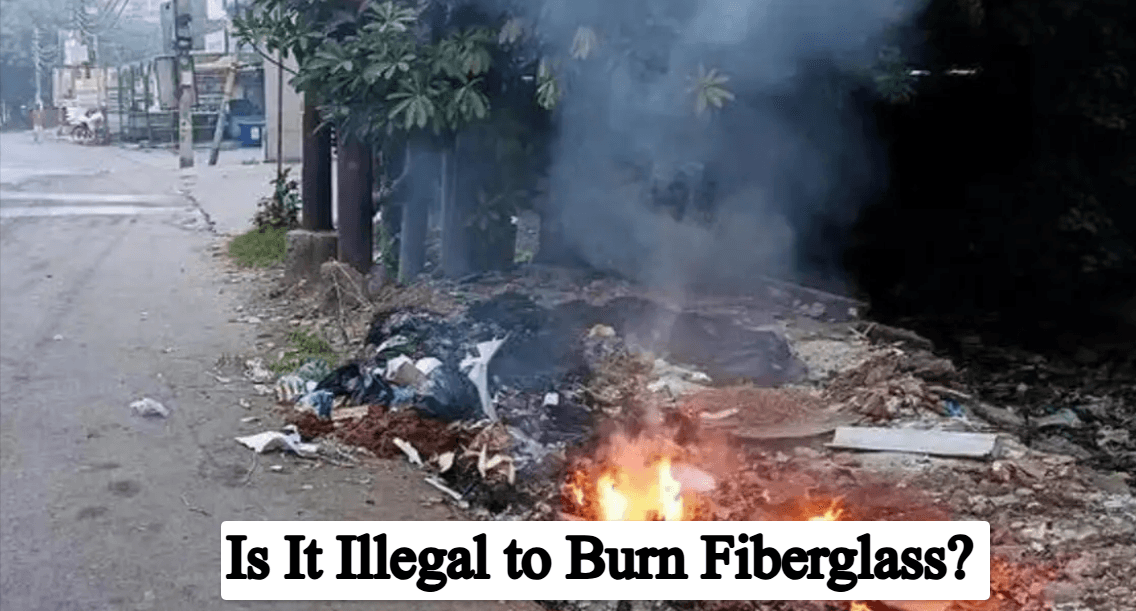
It is not legal for burning fiberglass in many regions because of its health and environmental hazards. Fiberglass, a substance made up of resin and glass fibers releases toxic substances and harmful particles when it is burned and poses serious dangers to the quality of air as well as public health. State and federal environmental laws regulate the handling and disposal of fiberglass to ensure that it is not improperly burning.
What is Fiberglass?
Fiberglass is a flexible material extensively used in the construction as insulation, automotive in marine and automotive industries. It is made up by fine glass particles encased in an epoxy resin matrix that makes it lightweight strong, durable, and resistant to heat. However, the structure of fiberglass makes it difficult to dispose of safely since burning releases harmful chemicals in the air.
Legal Framework for Burning Fiberglass
1. Federal Laws
The burning of fiberglass is in violation of several federal laws designed to safeguard the quality of air and public health:
- Clean Air Act (CAA): Enforced by the Environmental Protection Agency (EPA) The CAA bans open combustion of materials which release harmful pollutants into the air, including fiberglass. Burning fiberglass releases toxic compounds like formaldehyde, styrene along with fine particle matter and all are controlled by the CAA.
- Resource Conservation and Recovery Act (RCRA): This law regulates the disposal of non-hazardous and hazardous waste. The burning of fiberglass without a permit is deemed to be an unsuitable method of disposal in the context of RCRA.
2. State and Local Regulations
The majority of states and municipalities have additional restrictions regarding burning fiberglass
- California: Strictly prohibits the open burning of fiberglass because of its potential to create air pollution and cause wildfires. The consequences of violating this law can be significant fines and legal actions.
- Florida: Open burning is controlled by the Florida Department of Environmental Protection which prohibits burning of substances like fiberglass, which emit toxic fumes.
- Texas: Requires the approval of any burning activity and prohibits combustion of materials made from synthetic, which includes fiberglass in all circumstances.
Why Burning Fiberglass is Dangerous
The combustion of fiberglass can pose serious threats for human health and the environment.
1. Toxic Emissions:
- The burning of fiberglass releases harmful chemicals such as styrene which is known carcinogen, and formaldehyde, a chemical that causes irritation of the skin and respiratory tract.
- Fine particles (PM2.5) created during the process of burning can reach deep into lung, causing chronic health problems.
2. Environmental Damage:
- The combustion of fiberglass contributes to air pollution, and it can also damage ecosystems locally when toxic particles are deposited in the soil or water sources.
3. Fire Hazards:
- Fiberglass ignites at high temperatures and may cause flames to spread quickly which increases the chance from accidental fires.
Legal Penalties for Burning Fiberglass
Burning fiberglass is a crime that can be punished. differ depending on the state, but usually comprise:
1. Fines:
- Fines from the federal and state governments for violations of environmental laws could vary from hundreds to hundreds of thousands.
- Repeat offenders could face higher penalties, particularly in states that have strict air quality standards.
2. Criminal Charges:
- The deliberate burning of hazardous materials could result in felony or misdemeanor charges, based on nature and the intent.
3. Cleanup Costs:
- Anyone who is accountable for illegal burning can be liable for the environmental cleanup and remediation effort.
Alternatives to Burning Fiberglass
The proper disposal of fiberglass is crucial to avoid environmental and legal implications:
1. Recycling:
- Certain businesses specialize in the recycling of fiber into other products like industrial composites or building materials.
2. Landfill Disposal:
- If recycling is not available the fiberglass can be placed in landfills that are designated for it. But, it should be properly packaged and labeled as non-biodegradable.
3. Professional Waste Services:
- Employing a waste disposal service that is licensed will ensure that you are in compliance with federal and local regulations.
Recent Updates and Legal Trends
1. Increased Monitoring
From 2024 in 2024, the EPA and the state environmental agencies have intensified surveillance of illegal burning which includes fiberglass due to increased concern regarding air quality.
2. Sustainable Disposal Initiatives
A number of states such as California as well as New York, have launched programs to encourage businesses to adopt environmentally sustainable methods for disposal of fiberglass, including recycling and reusing.
3. Public Awareness Campaigns
Environmental groups are educating the public about risks of igniting synthetic material such as fiberglass and are encouraging environmentally-friendly ways of disposal.
FAQs About Burning Fiberglass
Q1. Is it legal to torch fiberglass?
Analyse: Burning fiberglass is generally illegal. However, exceptions can be made for incinerators that are specially that are designed to handle hazardous substances However, they are subject to permits, and rigorous conformity with environmental regulations.
Q2. What happens when I ignite fibers on my home?
The answer: Burning fiberglass on your property without permission is probably illegal. There could be charges for cleanup, fines and even a possible legal actions.
Q3. Can the use of fiberglass safely be incinerated?
Answer: Yes, but only in places with high-temperature combustion equipment and filters to neutralize harmful emissions. Burning openly isn’t legal or safe.
Q4. What can I do to get rid of the fiberglass legally?
The answer: You can recycle fiberglass using specialized programs as well as dispose it in designated landfills. Contact your local waste management authority for assistance.
Q5. What are the dangers of burning fiberglass?
Analyse: Burning fiberglass releases harmful chemicals and particles which can harm the health of humans and contribute to air pollution and harm the environment.
