
Is It Illegal to Film a Police Officer? Complete Guide
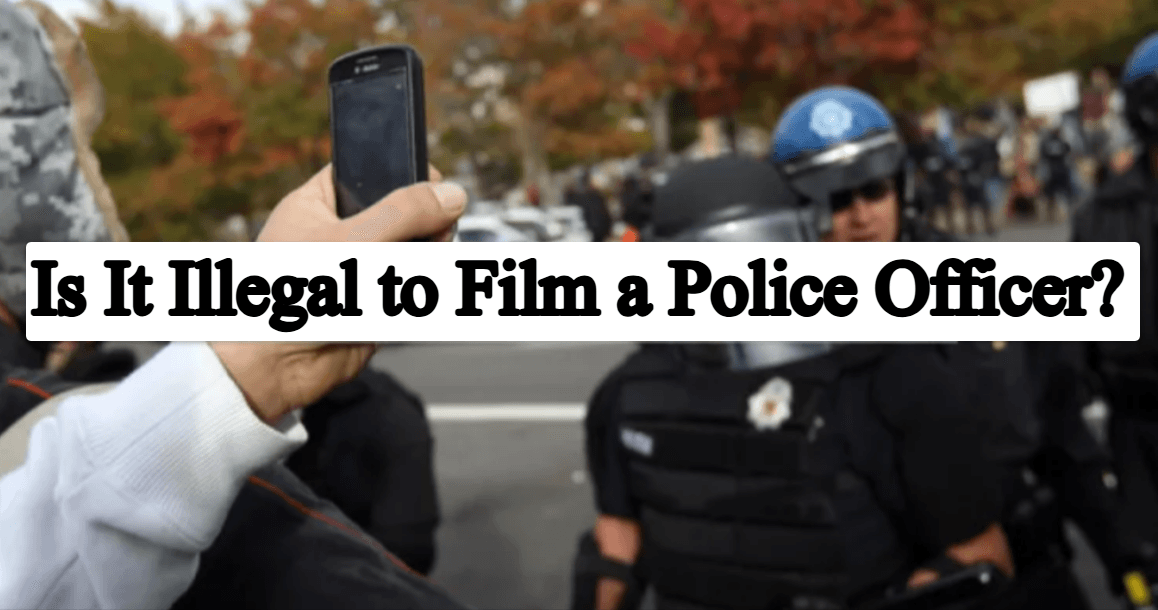
In general, it’s legal to film officers of the United States, as long that you follow certain guidelines set by law and don’t interfere with law enforcement tasks. The right to film public officials, such as police officers performing tasks in public places is protected by the First Amendment of the U.S. Constitution. However, the exact terms of the law may differ according to the state and specific circumstances.
The Right to Film Public Officials
The federal courts have repeatedly affirmed that the First Amendment protects the right of citizens to record public officials such as police officers in public places. This right is rooted in the idea of ensuring that public officials are accountable and providing the transparency of government activities. Video recordings of police actions have played an important role in exposing instances of infractions and encouraging accountability.
However, this rights isn’t unassailable. The courts have ruled that filming should not interfere with the police’s activities, compromise security of the public or violate other rights under the law.
Understanding State Laws on Recording
While federal law guarantees the right to film police officials, laws in state could restrict your rights in other ways. These laws usually arise from laws governing wiretapping and eavesdropping.
- The public Spaces filming of police personnel in public areas is generally safe. The public spaces like streets, sidewalks, and parks are considered open venues that allow people to record without breaking privacy laws.
- State with one-party consent In the majority of states, only one person who is involved in the conversation has to agree to record. This means that you are able to record your encounters with law enforcement officers, without breaking the law.
- State Consent for All Parties in a few of states, like California, Illinois, and Florida in which all parties are required to be in agreement with a recording. However the courts have clarified these laws typically don’t apply to police officers who are performing their tasks in public, because there is no privacy expectation under these circumstances.
Recent Legal Developments
The legal framework that governs rights to videotape police officers changed dramatically in the last few years. Important updates include:
- 2023 Federal Rules The Ninth Circuit Court of Appeals confirmed the right of the public to record police officers so provided that it does not interfere with law enforcement activities. The decision strengthened existing protections under the law and made clear that the need for accountability to the public outweighs security concerns for officers on duty.
- State legislation Some states, like Colorado or New York, have introduced statutes that explicitly protect the right to record police officers. The laws also impose sanctions for officers who try to stop people from taking pictures.
Guidelines for Filming Police Officers
To ensure that your actions remain legal and don’t cause tensions, you should consider the following suggestions:
- Do not interfere Maintain an appropriate distance and refrain from hindering police actions. Interfering in an investigation could lead to criminal charges.
- Web 2.0 for Public Safety: Make sure that your filming does not create an injury risk to other people or cause a deterioration in the situation.
- Learn Your Rights If you are you are asked for a stop to your filming, or give your phone, be calm and defend your rights. Police are not able to seize your phone without warrant, unless there are emergency circumstances.
- Keep Respect Be courteous and non-confrontational to prevent an unnecessary escalate.
Consequences of Violating Laws
If you are caught filming in violation of laws of the state or is in conflict with the police’s duties it could result in criminal charges, such as Eavesdropping or obstruction of justice. Furthermore, evidence gathered through illegal filming might never be accepted in the courtroom.
FAQs
Q1. Can I film an officer of the police in a private location?
The answer: Filming in private areas may require the permission of all involved parties as per state laws. If the space is accessible to the public, and the officer is carrying out public duties, the filming can be typically permitted.
Q2. Do police officers have the authority to order that I cease filming?
The answer: Police cannot legally or otherwise require the stop of filming, unless you actions are in conflict with their duties. If, however, they believe that you are hindering them in their job, they could try to hinder you.
Q3. What do I do if my phone is seized by the police?
The answer: Police can only seize your phone in specific circumstances, such as when you obtain an warrant or during an arrest. If your phone has been confiscated get legal representation and document the event as fully as you can.
Q4. Are live-streaming police encounters permitted?
The answer is Live streaming can be typically allowed with the same rights as filming. However, it is important to ensure that it doesn’t interfere with the law enforcement functions.
Q5. Can I record other people’s interactions with the police?
Answer: Yes, as you’re in a public area and don’t interfere with the other people. It is essential to keep an appropriate distance.
