
Is it Illegal to Drive with Dome Light On? Complete Guide
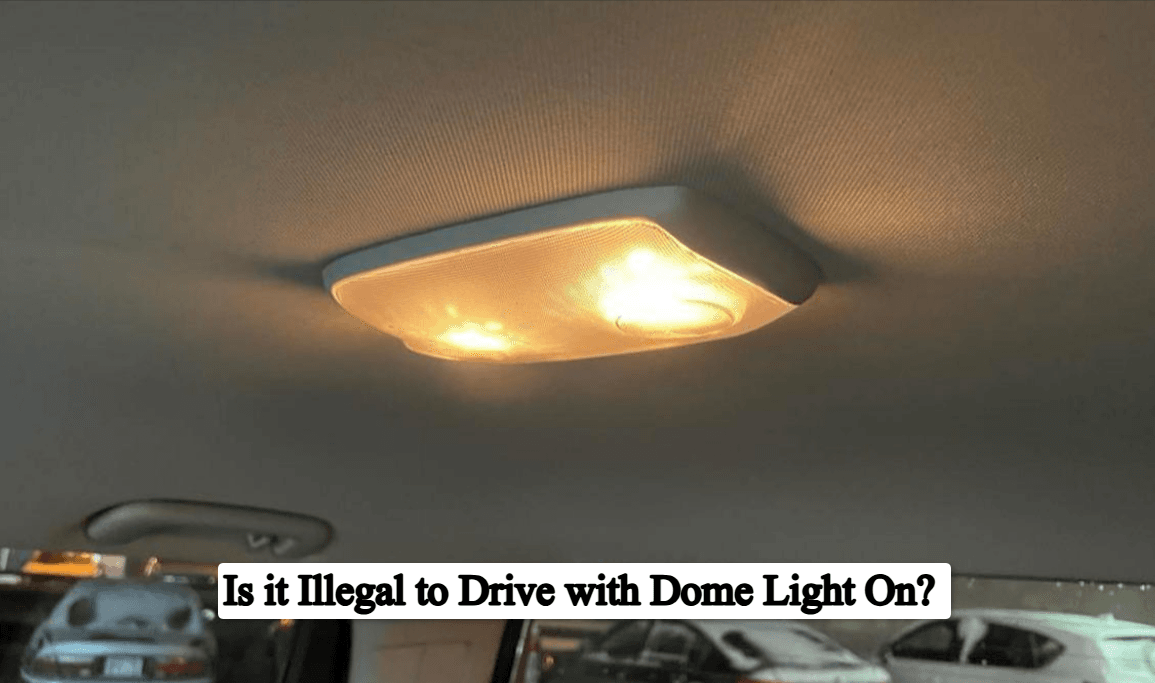
It isn’t illegal to drive with the dome-light on inside the United States. Although there is no law that specifically laws ban this practice however, it could cause security concerns and possibly legal consequences if it leads to impaired or distracted driving.
Understanding Interior Dome Lights
The interior dome light, sometimes referred to as lights for courtesy, are usually placed in the roof of vehicles and provide illumination to the interior of a vehicle when doors are opened, or when they are manually activated. They aid the occupants in activities like studying maps, locating items or fastening their seatbelts particularly in low light conditions.
Legal Perspective
Contrary to the common belief There aren’t any federal or state laws specifically prohibiting the use or installation of the lights inside your vehicle when driving. This myth could be rooted in parents’ cautions or misinformation about light regulations for cars. As the Automobile Association (AA) has stated, “It’s something which lots of people think is a fact but there’s no law against driving with your interior lights on.”
Safety Considerations
Although it isn’t legally illegal, driving with a dome light on could be dangerous:
- Diminished Night Vision Lighting the car’s interior could reduce your driver’s vision at night, which makes it difficult to spot the road and possible dangers.
- Greater Glare Reflections of light off windows can cause glare hindering driver’s view.
- driver distraction Engaging in tasks that require dome lights such as looking for objects or reading, could distract you from driving.
Potential Legal Implications
While using a dome light isn’t considered illegal but it can result in legal penalties in the event that it is used to promote unsafe driving behavior:
- Distracted driving Distractions that distract drivers even for a short period of time, could be deemed distracted driving. It is the National Highway Traffic Safety Administration defines distracted driving as “any activity that diverts attention from driving,” which includes the use of interior lights to accomplish purposes.
- Reckless Driving Penalties If an officer finds that the usage of the dome light contributed to reckless conduct or a lack of driving control, fines or citations could be issued in accordance with the law against reckless or distracted driving.
Recommendations for Drivers
- Limit use Reduce the usage of internal lights when driving, particularly at night to ensure the best visibility.
- Pull Over Securely If you have to utilize the dome light for tasks such as reading directions, or searching for items, find an area that is safe to stop before turning it on.
- Train passengers Informing passengers about the risks that could be posed when using lights in the interior in the dark to ensure safety for all.
Conclusion
When driving with an dome light on isn’t legal, it could compromise the safety of drivers by hindering vision and growing the chance of being distracted. To encourage safe driving it is recommended to only use the interior lights in moderation and only when your car is in stationary.
Frequently Asked Questions
Q. Is it illegal to drive with an dome light on the inside of the car?
Answer: No, there aren’t any specific laws that prohibit driving while the interior light is on.
Q. Does using the dome light while driving cause tickets?
Answer: While not directly unlawful, if the traffic light creates distraction or hinders driving, it may result in the issuance of citations for reckless or distracted driving.
Q. Do dome lights effect nighttime driving?
The answer is It can dim night vision and cause the appearance of glare, making it difficult to be able to see the road.
Q. What should I do if have to use the interior light when driving?
The answer: It’s best to stop safely prior to using the interior lights to prevent distractions.
Q. Why do people believe it’s not legal for a driver to use the dome lights on their car?
Answer: This misconception likely stems from parental cautions and misperceptions regarding driving safety.
