
Is It Illegal to Kill a Raccoon on Your Property? Complete Guide
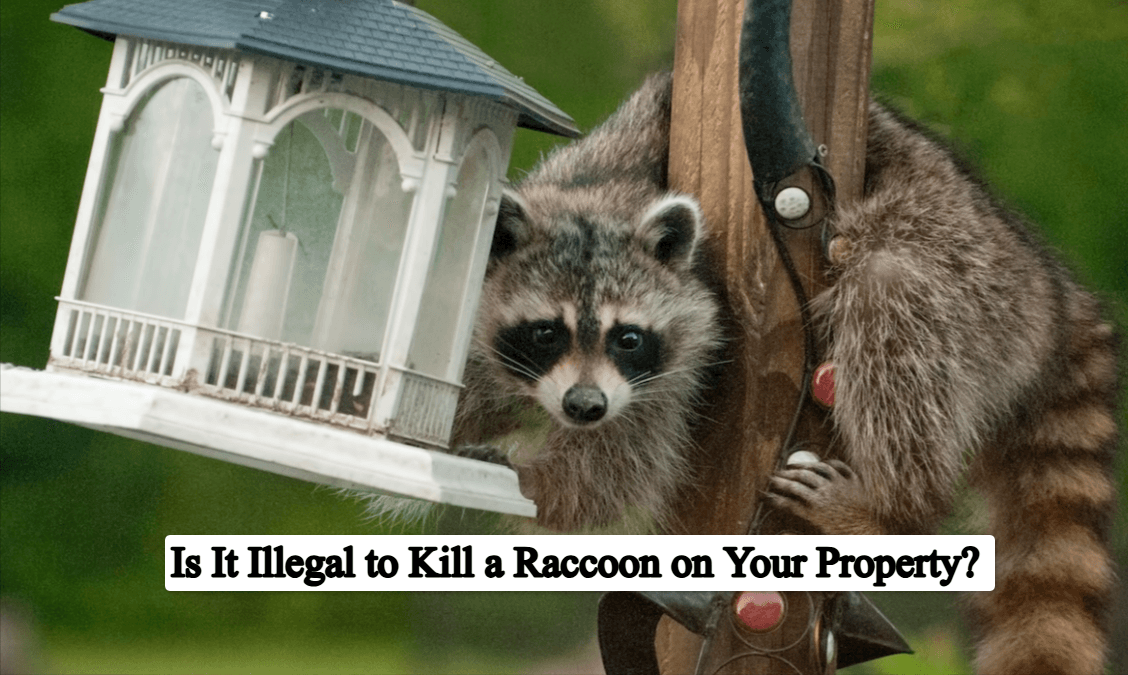
Yes, in most cases it is not legal killing a raccoon your property unless you have a valid permission or in certain circumstances. Raccoons are regarded as wild animals in the United States and are protected by federal and state laws. It is permissible to kill them as long as it is in compliance with local laws like during specific hunting or trapping times, or when you have an authorization for nuisance wildlife.
Legal Protections for Raccoons in the United States
Raccoons are widespread across the nation and are a vital part of ecosystems. But, since they are regarded as to be a nuisance species in certain conditions governments regulate the management of their populations in order to keep a healthy balance between the conservation of wildlife and the human-wildlife conflict.
1. State-Specific Wildlife Laws
- Each state decides on what is the lawful status for raccoons, and establishes rules for their management. These laws are different in some states, with certain states allowing homeowners to eliminate nuisance raccoons in certain conditions.
- For instance:
- The state of Texas property owners are able to kill raccoons that cause property damage without a permit, as per the nuisance wildlife rules.
- The state of California the state of California, raccoons are protected. Lethal control requires a permit for depredation issued by the California Department of Fish and Wildlife.
2. Hunting and Trapping Seasons
- Raccoons are usually considered to be furbearers, which allows restricted hunting and trapping in specific times. An active hunting permit is required.
- Outside of these times killing raccoons with no permit is generally not permitted.
3. Federal Regulations
- Raccoons do not have protection under federal laws governing wildlife, such as the Endangered species Act or the Migratory Bird Treaty Act however, states have the power to apply their own conservation laws.
When Is It Legal to Kill a Raccoon on Your Property?
1. Self-Defense
- If a raccoon is posing an immediate risk to human security or is acting aggressively or showing indications of rabies is usually legally legal for it to be killed for self-defense. But, it must be reported to the local police or to animal control.
2. Nuisance Wildlife Permits
- Property owners may request a nuisance animal permit or depredation permit in order to stop Raccoons that cause serious destruction to crops, properties or livestock. These permits permit the legal removal of or even the death from the animals.
3. Hunting and Trapping
- The killing of raccoons during open hunts or trapping season is permissible with an active license. The specific rules for the bag limit, trapping techniques and firearms have to be observed.
Penalties for Killing a Raccoon Illegally
The killing of a raccoon in violation of authorization could have serious legal repercussions:
- Fines
- Fines differ by state and be as low as $100-$1,000 or more for a violation.
- License Suspension
- The privileges to hunt or trap can be suspended for violations of the laws governing wildlife.
- Criminal Charges
- In extreme cases, people could face misdemeanor criminal charges that could lead to penalties or time in jail.
Non-Lethal Alternatives to Address Raccoon Problems
1. Deterrents
- Make use of motion-activated lighting or sprinklers. Or sound devices to keep the raccoons from getting into your property.
- Make sure garbage bins are secure and remove food sources to decrease the attraction.
2. Trapping and Relocation
- In certain states, raccoons may be captured and moved without an authorization. However, the process is usually avoided because raccoons might struggle to survive in unforgiving environments.
3. Professional Wildlife Control
- Wildlife control officers who are licensed are able to handle raccoon problems safely and in a humane manner, assuring the compliance of state laws.
Related FAQs
Q1. Does a Raccoon kill me that is on my property, if it’s damaged my property?
Answer: Yes, but only if permitted by the state’s nuisance wildlife rules. You may require permits in some areas.
Q2. Is it legal to kill raccoons living in urban zones?
A: In many urban zones, killing raccoons can be limited by local laws. Removal methods that are not lethal are generally recommended.
Q3. What should I do if there is a Raccoon is living inside my house?
The answer: Use humane traps or call an authorized wildlife removal service. Do not attempt to handle the situation on your own not knowing local laws.
Q4. Do I have the ability to hunt for raccoons all year round?
Answer: No, raccoon hunting is usually restricted to specific times. It is prohibited without an permit.
Q5. Which are consequences of killing a wild raccoon unlawfully?
The answer: Penalties include fines and jail time as well as the removal of trapping or hunting licences.
Q6. What do I need to know if think a raccoon is carrying rabies?
Answer: Contact your local animal control center immediately. Don’t attempt to control or kill the raccoon by yourself.
Conclusion
Although it is permissible to shoot a raccoon your property, under certain conditions but it is important to be aware of and adhere to the state’s wildlife laws. Requesting permits, using non-lethal methods or contacting experts can assist in addressing the raccoon issue effectively and legally. In the absence of authorization, killing raccoons could result in significant fines and penalties.
