
Is It Illegal to Burn Clothes? Complete Guide
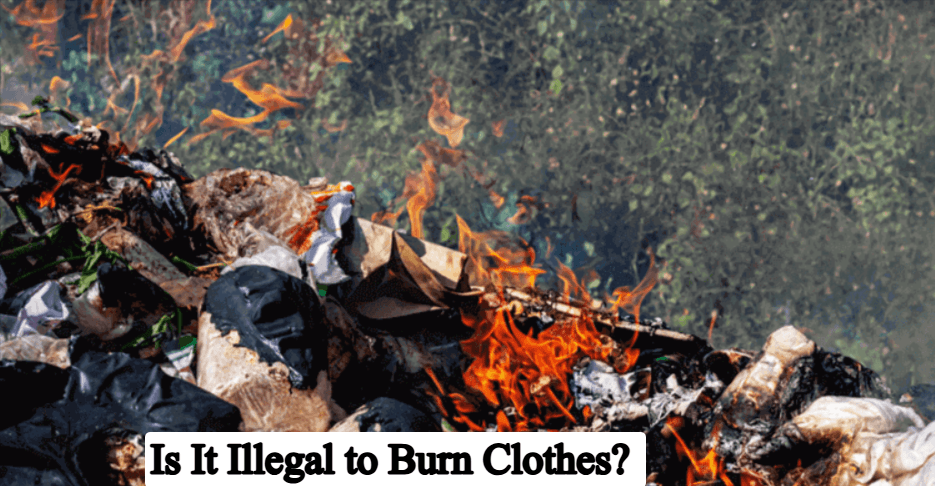
The burning of old clothes may appear like a convenient method to get rid of unused clothes However, within the United States, doing so could raise environmental and legal issues. While burning clothing isn’t legally unlawful under federal law, it could be in violation of laws governing local fire code, the environment and laws governing public safety, dependent on the method and location the process is carried out. Let’s look at the specifics.
Federal Law: Environmental Concerns
According to the federal laws governing environmental protection like those in the Clean Air Act It is illegal to burn substances that release harmful pollutants into air. The majority of clothing we wear today is constructed from synthesized fibers like nylon, polyester and acrylic -all of which are formed from plastics. When they are burned, these substances release harmful chemicals such as dioxins and volatile organic compounds (VOCs) which can be harmful to humans as well as the environment.
- EPA (Environmental Protection Agency) discourages any form of open burning.
- Burning your clothes in your backyard If it creates dark black smoke, or emits harmful gases, could be deemed to be an infraction of federal standards for air quality.
In other words, although burning clothes isn’t a crime, the act of burning clothing isn’t explicitly banned by the federal government but the emission it creates can render the act illegal.
State and Local Laws: The Key Factor
The majority of legal requirements stem from local or state environmental and fire laws.
Numerous counties and cities include open burning restrictions particularly in residential areas.
Common local laws and regulations are:
- There is no open burning without an authorization.
- The ban on burns is enforced during dry periods or air quality alerts.
- Interdiction of burning synthetic substances as well as household garbage (which includes clothing).
For instance:
- California: Strictly prohibits the open burning of waste materials that are not yard-related because of the risk of wildfire.
- Texas: Allows the burning of limited quantities with permits, but does not allow burning synthetic materials such as clothing.
- New York: Completely prohibits the burning of waste, including textiles in all residential areas.
Violation of these laws could lead to penalties ranging from $100 to more than $1,000 depending on the area of jurisdiction.
Fire Safety and Public Nuisance Laws
Although there’s no particular prohibition against burning clothing You could still be subject to legal penalties in the event of:
- The fire spreads, or causes damage to the properties.
- It can cause harm to you or anyone else.
- It causes the nuisance of smoke that can affect neighbors.
- You are not in compliance the your local fire safety laws.
In these instances local law enforcement agencies as well as the local fire service could issue the issuance of citations or legal charges for recklessly endangering others or causing a public danger.
Safe and Legal Alternatives to Burning Clothes
If you’re looking to get rid of your clothes in a responsible manner, take a look at these legal and sustainable alternatives:
- Do not donate wearable items to shelters or charities.
- Recycle by utilizing textile recycling programs.
- Make use of old fabric for crafts.
- Selling gently used items on the internet or in thrift stores.
These options are not only more secure, but they also reduce pollution and waste.
FAQs on Burning Clothes in the U.S.
Q. Is it legal to burn clothing outside in the backyard?
In most instances the answer is yes, especially when your region has the smoking restriction or if your clothes have synthetic components. Always consult the rules of your local department of fire and environmental department to determine specific rules.
Q. Do I have to pay a fine for burning clothing?
Yes. Based on the state you reside in or county, fines could vary between $100-$1,000 or more in the event of a violation of local air quality laws or the fire safety laws.
Q. What happens if I just go through a few natural fibers (like wool or cotton) )?
Even if you don’t, you might require the permit and must ensure that the fire does not pose danger to the health or safety of others. A lot of areas prohibit burning any open combustion of household products.
Q. Are there federal sanctions for burning clothing?
Directly, no. If the fire releases toxic smoke that does not meet Clean Air Act standards, you could be subject to EPA sanctions.
Q. What’s the best way to dispose of a few old clothes?
Recycling, donating or repurposing are the most secure and legal methods. Numerous cities also have recycling bins for textiles and collection services.
Conclusion
Although it may not seem to be a huge problem, burning clothes could quickly become illegal according to U.S. law. The mix of safety, environmental and nuisance regulations mean it’s unwise to risk it. Always be sure to check the local ordinances If you are unsure pick a secure environmentally friendly disposal method.
