
Is It Illegal to Burn Carpet? Complete Guide
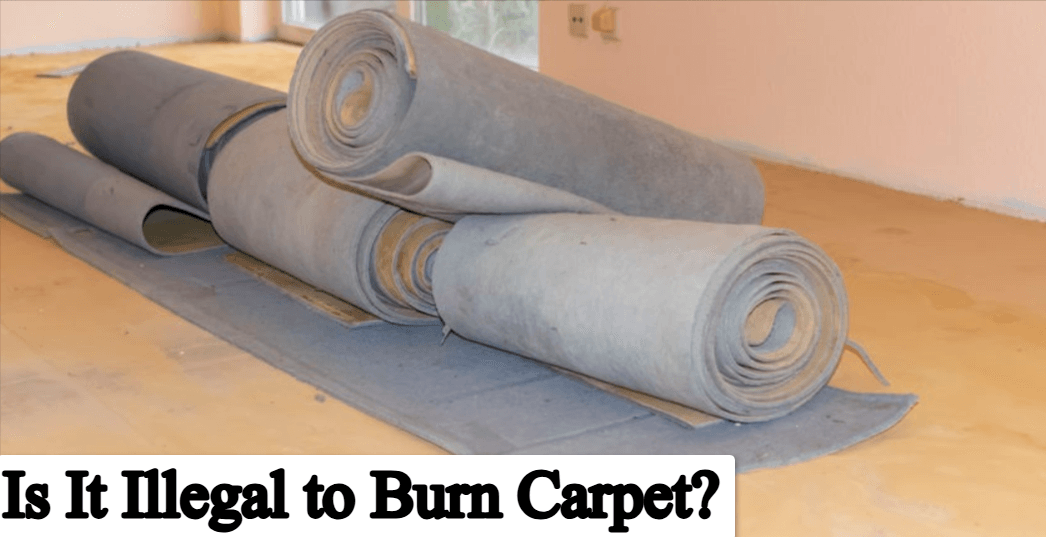
The process of disposing of old carpets through burning may seem like an easy way to get rid of the mess after a renovation, however according to U.S. law, doing it is usually illegal. The process of burning carpet releases toxic chemicals, infringes on environmental protection laws and could result in penalties for criminal offenses, fines or both.
Here’s the full legal explanation:
Federal Law: The Clean Air Act and EPA Regulations
In accordance with the Clean Air Act which is which is enforced through the Environmental Protection Agency (EPA), it is illegal to openly burn substances that emit polluting air.
Modern carpets are usually composed from synthesized fibers like nylon, polypropylene, or polyestereach made of plastics. When they are burned they release hazardous chemical compounds which include:
- Dioxins
- Hydrogen cyanide
- Organic compounds that are volatile (VOCs)
- carbon monoxide
The EPA specifically declares burning carpets and other household waste that is synthetic in the category of an open combustion that is illegal. The law is designed to safeguard people’s health from the harmful adverse effects on respiratory and environmental health that result from these emission.
The violation of Clean Air Act violations can result in: Clean Air Act can result in:
- Civil penalties of up to $25,000 per day, per violation
- Legal prosecution for repeat or involuntary crimes
Simply put: burning carpet is an environmental crime that is federally sanctioned even if it takes place on your own property.
State and Local Fire Laws
As well as federal legislation, all state — and the majority of cities and counties are governed by rigid fire regulations as well as open burning restrictions which ban burning materials in the home, such as mattresses, carpet or furniture.
Here are some examples:
- California: Burning carpets violates the state’s air quality and regulations regarding fire safety; those who break the law are subject to fines and tickets at the local level from air authorities.
- Texas: The Texas Commission on Environmental Quality (TCEQ) prohibits burning synthetic materials, such as carpet as well as rubber, plastics and other materials.
- New York: State Environmental Conservation Law bans burning in open flames all household waste including floors and fabrics.
- Florida: Under the law of the state (F.A.C. 62-256) burning carpets as well as similar items is forbidden unless carried out in a registered recycle or waste removal facility.
Failure to comply with local or state fire codes can result in:
- Fines ranging from $100 and up to $5,000,
- Cleanup costs and
- In extreme cases, misdemeanor criminal charges for reckless burning or pollution of the air.
Public Safety and Liability Risks
Carpet isn’t just a source of pollution for the air, it’s highly flammable. When ignited, carpet fibers melt, releasing dense black smoke that is toxic and is able to quickly expand, making the fire difficult to contain.
If the fire engulfs adjacent structures or public property, you could be facing:
- Civil responsibility for property damages,
- Criminal charges for arson and reckless risk or
- Fire department response fees for unauthorized burns.
If the flame is in control The smoke and odor could trigger complaint of nuisance of neighbors which can lead to legal actions in accordance with the public nuisance and air pollution laws.
Legal and Safe Alternatives to Burning Carpet
Instead of burning the old carpet Here are legal, safe and environmentally friendly ways to dispose of it:
- Recycling centres: Many U.S. cities have carpet recycling programs that take natural and synthetic fiber carpets.
- Waste pickup for bulk Most cities offer scheduled pickups for household waste such as furniture, carpet and flooring.
- Landfill drop-off It is possible to dispose of carpet legal in a landfill that is licensed or a waste disposal station.
- Take-back by manufacturers: Carpet manufacturers like Shaw and Interface, run eco-friendly recycling programs for flooring that is old.
These strategies ensure you’re in compliance with state and federal law, and help ensure that toxic emissions do not harm the community in which you live.
FAQs About Burning Carpet in the U.S.
Q. Is it legal to burn rug in the backyard of your home?
Yes. Burning carpets in your yard as well as on the property of yours is a crime in all 50 states since it is in violation of EPA burning regulations and local fire codes.
Q. Can I use a fire pit to burn carpet? an open fire pit or barrel?
No. Even when contained in the carpet, burning emits toxic gasses and is deemed unlawful open burning in both the law of the state and federal.
Q. What are the consequences to burn carpet?
There are a variety of penalties and you may be subject to penalties ranging from hundreds up to thousands dollars as well as legal charges for burns that are reckless or environmental infringements.
Q. Do I need an authorization to use a fire extinguisher on carpet?
No. The burn permits granted by environmental or fire departments agencies do not permit synthetic substances like carpets and plastics to be burned.
Q. What can I legally get rid of my carpet?
Make use of to use your local bulk collection service or drop it off at an recycling station or locate an accredited recycling facility that will accept carpets and padding.
Conclusion
While it could be a nice idea to dump the old carpet onto an open flame, burning carpet is completely unlawful according to U.S. safety and environmental safety laws. Synthetic fibers emit dangerous chemicals that can harm your health and are in violation of laws like the Clean Air Act.
The most efficient — and legally-soundalternative should be for you to recycle or eliminate from your carpet by utilizing your local waste management programs. It’s safer for your neighborhood and better for the environment and helps you stay in compliance with the law.
