Is It Illegal to Burn Dead Animals? Complete Guide
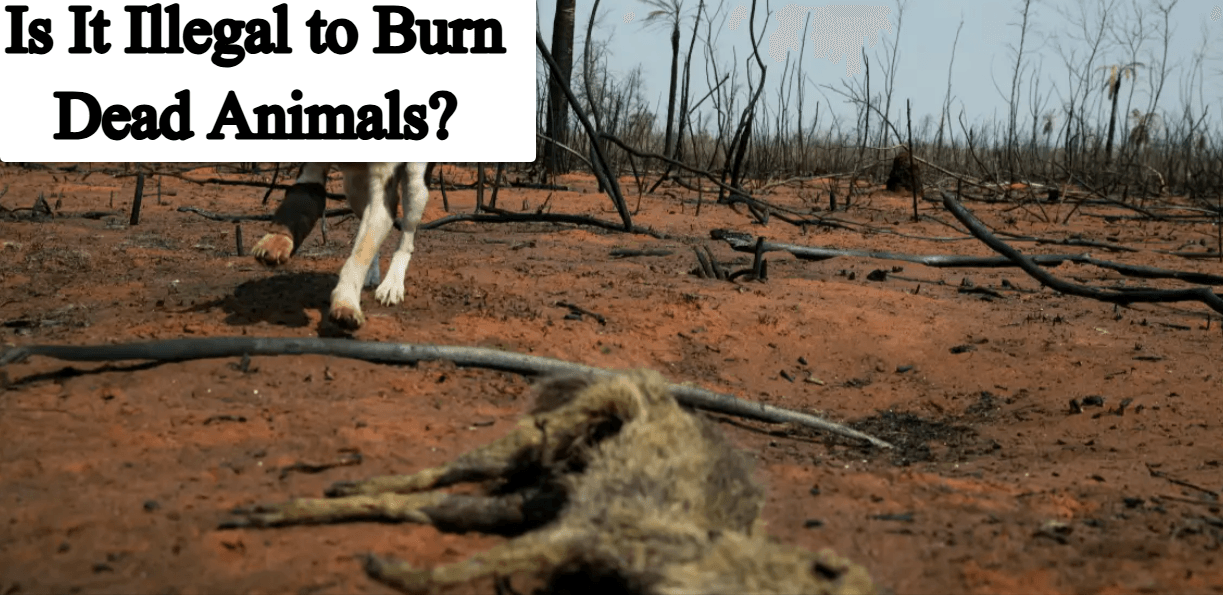
It may appear as a simple method of disposal particularly in rural or agricultural environments. However within the United States, the act is heavily controlled by the health, environmental regulations for animal and human disposal. Legality is contingent on the method, location the burning takes place. In many instances burning dead animals without authorization could be in violation of the environmental regulations of the state and public health laws as well as local fire ordinances.
Here’s an in-depth legal explanation:
Federal Law: Environmental and Health Regulations
At the federal level, there’s no law that explicitly restricts the burning of dead animals. However, numerous environmental protection laws indirectly regulate this practice.
In accordance with the Clean Air Act (CAA) that is implemented through the Environmental Protection Agency (EPA) burning carcasses of animals can release harmful pollutants such as partsiculate matter, nitrogen oxides carbon monoxide, as well as volatile organic substances. If the combustion produces visible fumes or smoke this could violate the standards of federal air quality.
In addition it is possible that the carcass has been affected by contamination — such as the presence of chemicals or diseases burning it could cause a violation of EPA regulations on hazardous waste disposal. The agency suggests to dispose of dead animals composted, buried or burned in approved facilities, not openly burned.
While it’s not necessarily unlawful in federal laws, burning openly of dead animals could easily get into the illegal realm in the event that it causes harm to the environment or the public health.
State and Local Laws: Where Most Restrictions Apply
The majority of U.S. states have specific rules regarding the disposal of animal carcasses, specifically in ranches, farms, and on roads. The laws are designed to stop the spread of diseases as well as protect water sources and help reduce the pollution of the air.
Common Legal Disposal Methods (State-Approved):
- Burial deep enough to stop contamination and scavenging.
- Composting is controlled and safe for the environment for animals.
- Rendering – Recycle animal waste in approved facilities.
- Certified Incineration is performed by accredited cremators or controlled incinerators Not open fires.
Examples of State Laws
- Texas: Allows burning carcasses only when it is permitted by the approval of a permits and with specific conditions. It is the Texas Commission on Environmental Quality (TCEQ) forbids open burning of dead animals, unless it is part of a control effort against disease.
- California: Prohibits burning dead animals in the open air because of the laws against air pollution that are enforced through local Air Quality Management Districts (AQMDs).
- Iowa as well as Nebraska: Allow burning carcasses of livestock on farms only when they have been approved from the Department of Natural Resources (DNR) and conducted by using the controlled process of incineration.
- Florida: Bans open burning of carcasses of animals without a state-issued authorization pursuant to rule 62-256 under the Florida Administrative Code.
In the majority of areas, open burning without approval can lead to civil penalties ($500-$5,000) and even criminal penalties when it creates environmental damage or the risk of fire.
Public Health and Safety Concerns
The burning of animal carcasses isn’t only an issue of law -it’s also a major health risk for the public.
Animals that are decomposing may contain parasites, bacteria, or toxic substances that can survive the incompletion of combustion. Unproper burning could:
- Spread infectious illnesses such as anthrax and bird flu.
- Disperse contaminants in the vicinity of soil, air as well as water resources..
- Create stink and smoke issues that impact neighbors.
Due to these dangers due to these risks, the local department of health along with firefighters typically have the power to fine or stop individuals who try the burning of dead animal carcasses in the absence of the proper permits.
Legal Alternatives to Burning Dead Animals
If you’re dealing with the remains of animals, pets or wild animal, here are legal disposal options used across all U.S. states:
- Services for cremation in the veterinary field (for smaller animals and pets).
- Municipal animal control disposal.
- Facilities for rendering to farm animals.
- Composting under agricultural guidelines.
- Burial on private propertyusually at minimum three feet in depth and far from any water source.
Always consult your local office of agricultural extension, environmental agency or the public health department for advice on the appropriate and lawful method.
FAQs About Burning Dead Animals
Q. Is it illegal to bury dead animals in your yard?
In most instances the answer is yes, particularly when it is done out in the open without the need for a permit. A lot of states allow restricted incineration as well as approved disposal methods.
Q. Can farmers burn dead livestock?
Sometimes it is possible, but only with the approval of the state and with strict requirements. Farmers are required to prove that alternative disposal options (like rendering or burial) aren’t practical.
Q. What are the consequences for illegally burning dead animals?
State-specific penalties differ, however they can include fines ranging from $500 and up to $55,000, cleanup costs as well as the possibility of legal charges for environmental crimes.
Q. Are there any exemptions for outbreaks of diseases?
Yes. In emergency situations involving livestock diseases (like the avian influenza and foot-and mouth disease) the federal or state officials can allow controlled burning as part of the process of elimination.
Q. What is the most secure method to dispose of an animal that has died?
Utilize approved composting, incineration, and burial methods. Or, call the local Animal Control and your local public health agency to get advice.
Conclusion
Although the burning of dead animal remains not specifically prohibited in the United States, it is in the majority of cases because of environmental health, safety, and environmental laws. Federal agencies such as The EPA along with state-level environmental agencies consider the burning open of dead carcasses an example of waste disposal that is illegal.
If you have to dispose of dead animal, you should avoid burning it in open flames. Instead, opt for safe and legal methods like composting, burial as well as professional incineration. Be sure to be sure to check the environmental laws of your state before you take action — violation of them can result in massive fines and health liabilities.

Related Posts
Is It Illegal to Burn at Night in Texas? Complete Guide

Is It Illegal to Have Things on Your Dashboard? Complete Guide
Is It Illegal to Remove Political Signs in Georgia? Complete Guide
During What Hours Is It Illegal to Tow a Person? Complete Guide
Is It Illegal to Burn Fiberglass? Complete Guide
Is It Illegal to Pass a Cop? Complete Guide
Is It Illegal to Film a Police Officer? Complete Guide
Is It Illegal to Dumpster Dive Behind Stores? Complete Guide

Is It Illegal to Post Someone’s Address Online? Complete Guide