
Is It Illegal to Burn Grass? Complete Guide
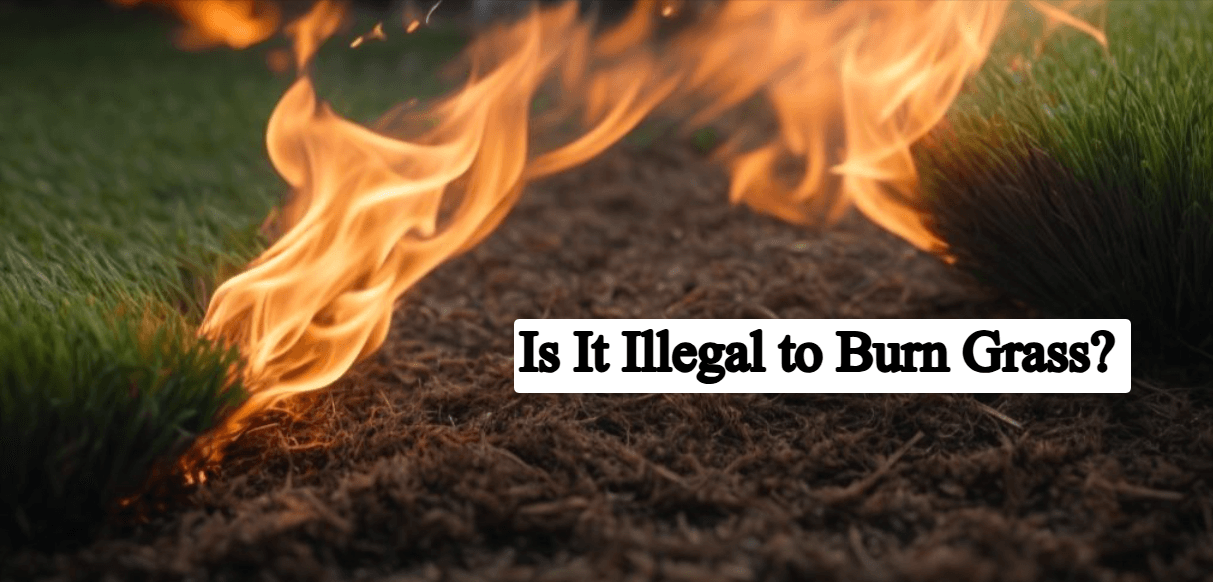
Burning grass might seem like a natural way remove land, control grassland, or control weeds. But it is not the case in United States, open burning of grass is highly regulated and burning grass without authorization can result in penalties, fines, or environmental fines. Even when it is your property burning grass isn’t always legal. State and local laws play an important factor in determining whether an act is legal.
This is a thorough legal explanation from an U.S.-based lawyer and creator of law content.
Federal Law: Environmental Considerations
At the federal at the federal level At the federal level, at the federal level, Clean Air Act (CAA) which is which is enforced through the Environmental Protection Agency (EPA) regulates emissions of open-burning. The fires in grass release particulate matter carbon monoxide, carbon monoxide, as well as volatile organic compounds (VOCs) that are responsible for air pollution.
Although the CAA doesn’t explicitly prohibit grass burning, the emissions that impact the quality of air in adjacent areas may be unlawful, and federal agencies could be involved in the event that:
- The fire is a common sight in protected areas or national parks,
- Habitats and species threatened by extinction could be affected,
- Smoke crosses state lines, triggering interstate air pollution concerns.
In reality, the majority of legal issues are governed by state and local laws while federal law being the only exception in the case of larger-scale environmental effects.
State and Local Laws: The Main Restrictions
Each U.S. state and county regulates open burning which includes grass fires -to stop wildfires from happening and to protect the health of the public. Local firefighters, environmental agencies and air quality districts enforce these regulations.
1. Permits Are Usually Required
In many states in the majority of states, you can’t burn grass without an authorization even on your private property.
- California: Requires a burning permit through the regional Air Quality Management District for any yard or agricultural burning.
- Texas: The Texas Commission on Environmental Quality (TCEQ) mandates the use of controlled grass burning and limits burn days according to weather and wind conditions.
- Florida: Open burning is restricted through the rule 62-256 which restricts the use of agricultural fires and requires approval from the state.
Violation of these rules could be punished with civil penalties, criminal citations and the possibility of having to pay for the cost of fire suppression when the fire starts spreading.
2. Seasonal and Weather Restrictions
Many states ban burning of grass in dry season as well as extreme winds due to the fact that these conditions greatly increase the risk of wildfire. In areas with a high risk of forest fires burning bans could be in place for months at a.
3. Neighbor and Public Safety Considerations
The burning of grass in the vicinity of roads or homes properties could be in breach of laws governing public safety particularly if the smoke decreases visibility or creates an health risk. Law enforcement officials can issue nuisance or citations as well as stop work..
Liability and Risks of Illegal Grass Burning
Even even if it is your property burning grass in violation of the law can result in grave financial and legal risk:
- Damage from fire: If the fire extends to neighbouring properties, you could be legally liable for any damages.
- Health problems: Smoke affecting neighbors or pedestrians could result in personal injury lawsuits.
- Criminal charges and fines: Many states classify burning without permission as an misdemeanor and fines range between 100 to $55,000 and more.
Legal and Safe Alternatives to Burning Grass
If you want to remove land and improve the health of soil There are legal options:
- Mechanical clearing or mowing Secure, affordable and does not cause dangers from smoke.
- Composted: Clippings from grass as well as the weeds could be beneficial to soil.
- Certified controlled burning: In agricultural areas it is possible to hire experts who adhere to the state-approved burn guidelines.
- Herbicides as well as manual removal For areas that are sensitive Chemical or manual clearing might be safer and completely legal.
FAQs About Burning Grass in the U.S.
Q. Is it legal for me to burn my grass in my yard?
In the majority of states you require an authorization to legally burn grass. Burns that are not permitted can lead to penalties and fines.
Q. Can I use a fire pit without having a permit in rural zones?
In rural regions, the majority of states require the issuance of a permit or compliance with the state’s fire regulations. Always consult your local department of fire and environmental department.
Q. What are the consequences for grass burning that is illegal?
Penalties can vary, but could comprise penalties for civil violations ($100-$5,000), misdemeanor charges and responsibility for damages when the fire is spread.
Q. Are there restrictions for the season?
Yes. States generally prohibit burning grass during dry conditions as well as high winds or the wildfire season. Make sure you check local burning bans prior to planning an outdoor fire.
Q. How do I legally dispose of grass?
Get an permission to burn from the local fire department or air-quality district and observe the state-approved safety guidelines. Certain zones require the supervision of a professional to control burns.
Conclusion
Burning grass is not always legal even on your personal property. The federal law is primarily concerned with the impact on the environment while local and state laws govern permits as well as safety as well as public health. Infractions to these laws can result in criminal charges, fines and the possibility of liability for damages.
If you have to remove vegetation or clear land Always seek legal alternatives or authorized controlled burning. If you follow legal guidelines, you safeguard you, the neighbors and the natural environment from risk that is not worth it.
